Modern agriculture faces a critical challenge: how to produce more food while preserving the environment. For decades, synthetic fertilizers have been widely used to boost crop yields. While effective in the short term, their long-term impact on soil health and the environment has raised concerns.
Organic fertilizers present a sustainable alternative.
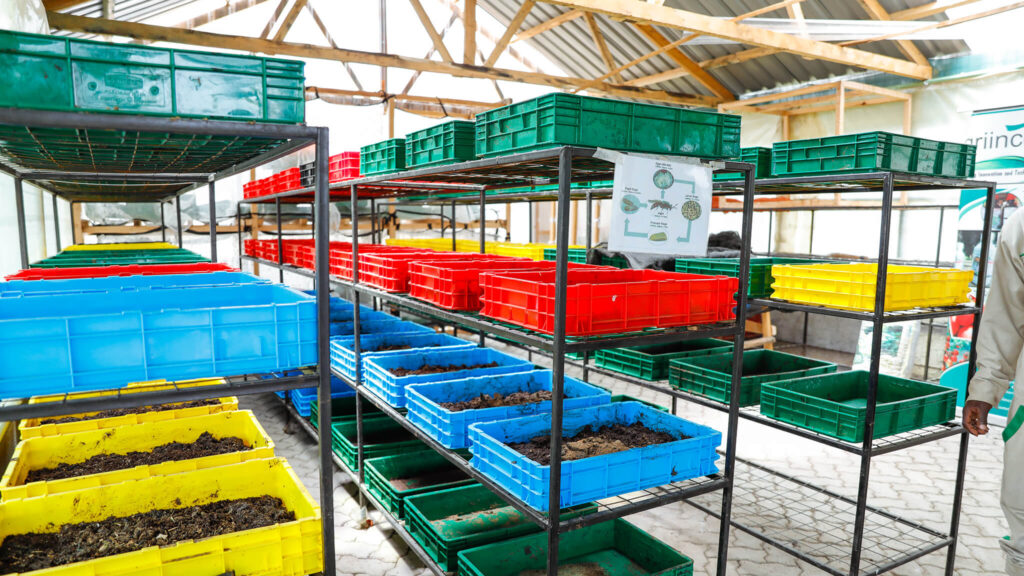
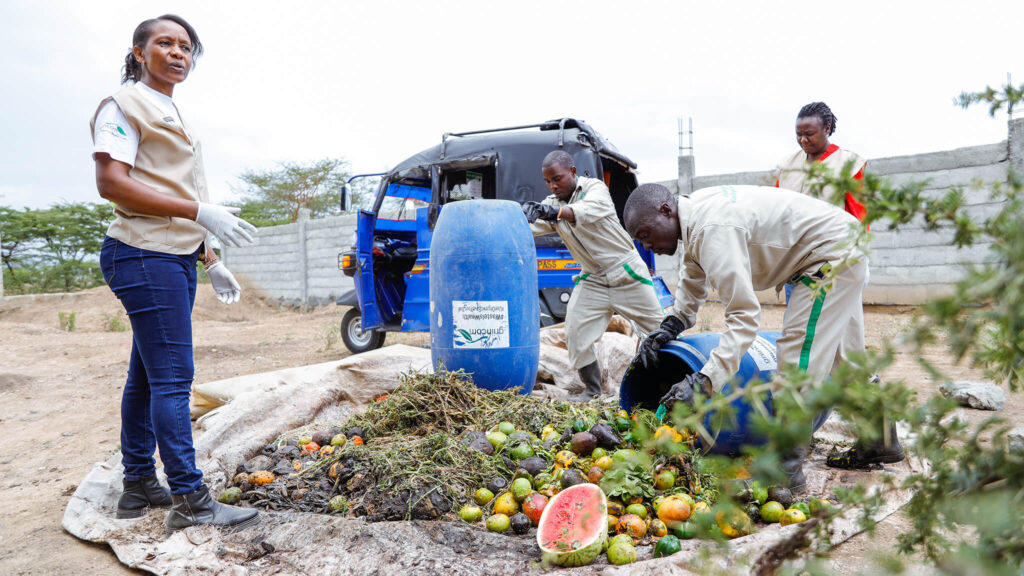
Derived from natural materials such as plant residues, animal manure, and composted organic waste, organic fertilizers enrich the soil in a way that synthetic inputs cannot. They provide a balanced supply of nutrients while improving soil structure and promoting beneficial microbial activity.
One of the most important advantages of organic fertilizers is their ability to enhance soil fertility over time. Instead of depleting the soil, they build it. Organic matter improves the soil’s ability to retain water and nutrients, making crops more resilient during dry periods.
Additionally, organic fertilizers contribute to healthier crops. Plants grown in organically enriched soil tend to be stronger and more resistant to pests and diseases. This reduces the need for chemical pesticides, further supporting environmental sustainability.
Another key benefit is the improvement of soil pH balance. Many soils in Kenya are acidic due to prolonged use of chemical fertilizers. Organic inputs help neutralize acidity, creating a more favorable environment for plant growth.
Farmers who transition to organic fertilizers often notice gradual but consistent improvements. While the results may not be as immediate as synthetic fertilizers, the long-term benefits are far more sustainable. Increased yields, better crop quality, and improved soil health make organic fertilizers a smart investment.
Moreover, organic farming practices align with global trends toward sustainable food production. Consumers are increasingly aware of how their food is grown and are demanding healthier, environmentally friendly options.
By adopting organic fertilizers, farmers are not only improving their productivity but also contributing to a healthier ecosystem. Sustainable farming is no longer a choice—it is a necessity for the future of agriculture.