As the demand for animal protein continues to rise, the cost of livestock feed has become a major concern for farmers. Traditional feed sources such as soybean and fishmeal are not only expensive but also place pressure on natural resources.
An innovative solution is emerging in the form of the Black Soldier Fly (BSF).
Black Soldier Fly larvae have the remarkable ability to consume large quantities of organic waste and convert it into nutrient-rich biomass. This process not only reduces waste but also produces a sustainable source of protein for animal feed.
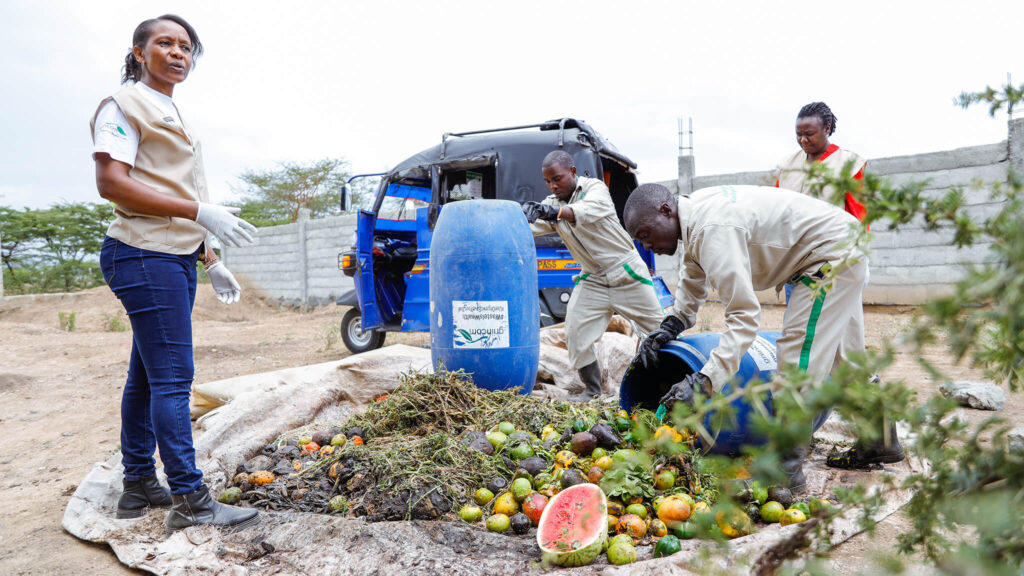
The larvae feed on organic materials such as food scraps, agricultural waste, and manure. Within a short period, they transform this waste into high-protein larvae that can be processed into feed for poultry, fish, and other livestock.
One of the key advantages of BSF technology is its efficiency. Compared to traditional livestock feed production, it requires significantly less land, water, and energy. It also helps reduce the environmental impact associated with conventional feed sources.
For farmers, BSF protein feed offers a cost-effective alternative. It can partially replace expensive ingredients like fishmeal, reducing overall feed costs without compromising nutritional value. In fact, BSF larvae are rich in protein, fats, and essential nutrients that support animal growth and health.
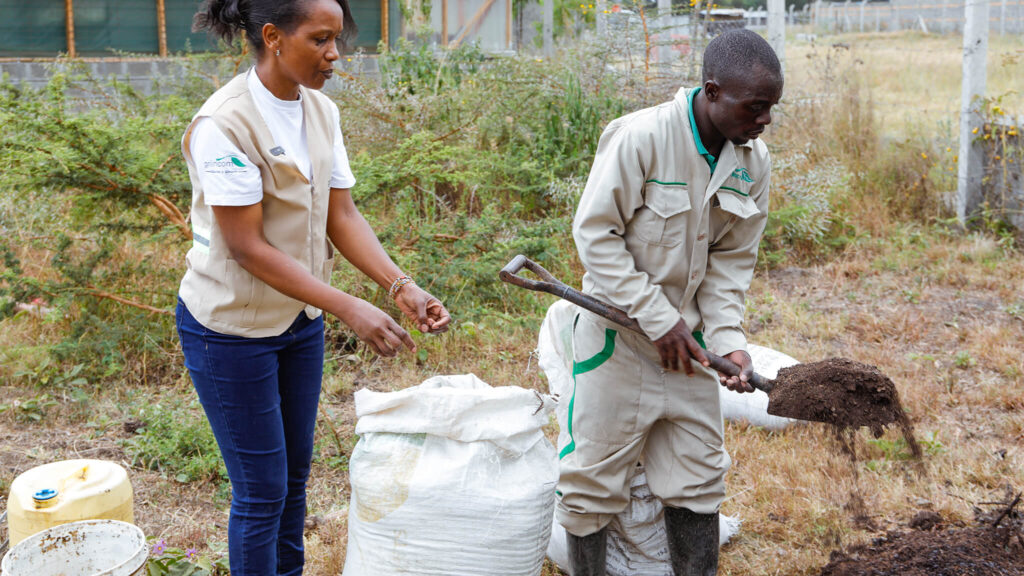
Beyond feed production, BSF farming contributes to waste management. By diverting organic waste from landfills, it helps reduce pollution and greenhouse gas emissions. The residue left after larval feeding can also be used as organic fertilizer, creating a closed-loop system.
In Kenya, where waste management and agricultural productivity are both pressing issues, BSF technology presents a unique opportunity. It addresses multiple challenges at once—waste reduction, feed production, and environmental sustainability.
Adopting innovative solutions like the Black Soldier Fly is a step toward a more resilient and sustainable agricultural system.