Across Kenya, urbanization has brought with it a growing waste management challenge. Markets, households, and food processing centers generate tons of organic waste daily. Unfortunately, much of this waste ends up in landfills, where it decomposes and releases methane—a potent greenhouse gas contributing to climate change.
However, what if this waste could be transformed into something valuable?
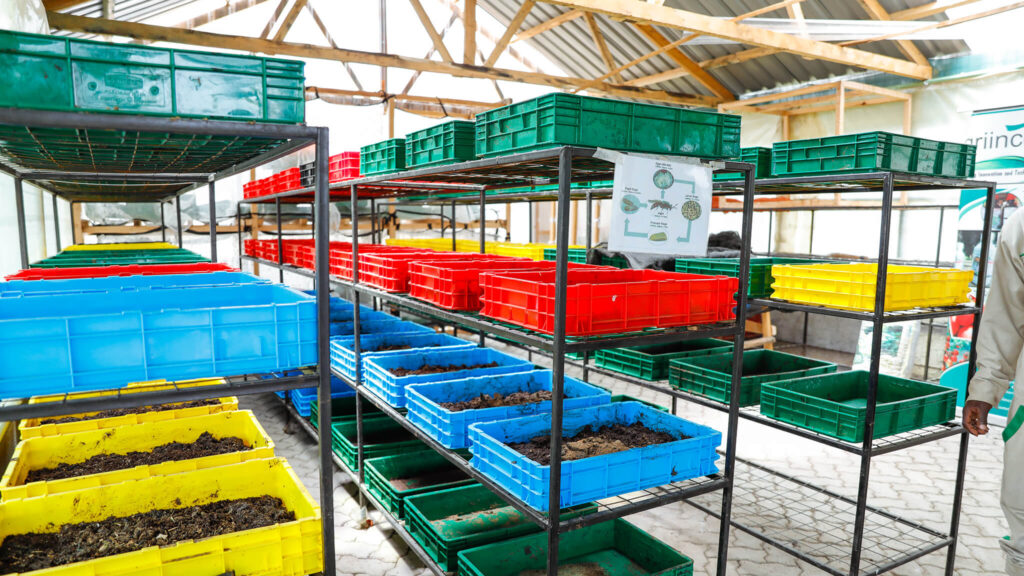
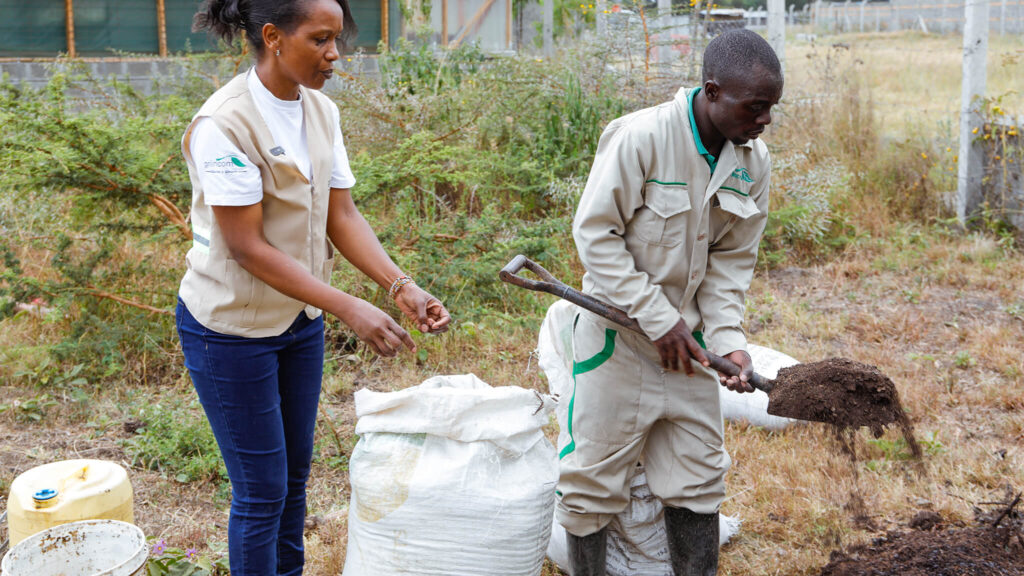
Organic waste recycling offers a powerful solution. Instead of viewing waste as a problem, innovative approaches are turning it into a resource that benefits farmers, communities, and the environment. Through composting and biological processes such as Black Soldier Fly (BSF) technology, organic waste can be converted into high-quality agricultural inputs like organic fertilizer, foliar feeds, and protein-rich animal feed.
One of the key benefits of organic fertilizer is its ability to regenerate soil health. Unlike synthetic fertilizers, which often degrade soil structure over time, organic inputs improve soil composition, enhance microbial activity, and increase water retention. This is especially critical in Kenya, where climate variability has made farming increasingly unpredictable.
In addition, organic recycling reduces environmental pollution. By diverting waste from landfills, it minimizes methane emissions and reduces the burden on municipal waste systems. It also promotes cleaner communities and helps prevent diseases associated with poor waste management.
Farmers also stand to gain economically. Organic inputs can be produced locally, reducing dependency on expensive imported fertilizers. Over time, healthier soils lead to higher yields, improved crop quality, and better resilience against pests and diseases.
Beyond agriculture, organic waste recycling creates employment opportunities. From waste collection and sorting to compost production and distribution, the entire value chain supports livelihoods, particularly for youth and women.
The concept of a circular economy—where waste is reused rather than discarded—is gaining traction globally. In Kenya, adopting circular practices in agriculture is not just an environmental necessity; it is an economic opportunity.
By turning waste into wealth, we can build a more sustainable agricultural system that benefits everyone—from farmers to consumers to future generations.